
The Nature of Luck in Gambling
Luck is often perceived as a pivotal force within the realm of gambling. It refers to the unpredictable and chance-based elements that can sway the outcome of a game, often irrespective of the player’s abilities. For example, in games of chance like slot machines or roulette, outcomes are determined entirely by random number generators or spinning wheels, meaning that no amount of skill can influence the results. Many players are drawn to anonymous casinos precisely because of this inherent randomness, which can create an exhilarating atmosphere, where they hope for a favorable turn of fate.
Moreover, the psychological effect of luck plays a significant role in gambling behaviors. Many players engage with the idea of luck as a key factor in their overall strategy, investing not only money but considerable emotional energy into their belief in lucky charms or rituals. The excitement surrounding a big win—often attributed to luck—can lead to a euphoric state, encouraging players to continue gambling with the hope that their fortune will change. This behavior can also lead to irrational decisions, as players downplay the odds and chase losses based on their luck-centric mindset.
While luck may dominate certain games, it is essential to recognize that its influence varies across different types of gambling. In sports betting or poker, for instance, while there exists a significant element of luck, skill plays a crucial role. Players must analyze statistics, understand opponents, and develop strategies, making luck a more nuanced factor in these scenarios. Thus, while luck undeniably affects the outcomes in the gambling world, its impact is often intertwined with skill, especially as the complexity of the game increases.
The Role of Skill in Gambling
Skill presents itself as a counterbalance to luck in the vast landscape of gambling. In games like poker or blackjack, players are not merely relying on chance but rather applying strategic thinking and decision-making abilities to gain an edge. Mastery in these games comes from a deep understanding of probabilities, psychology, and game theory, allowing skilled players to consistently outperform novices. This skill-based approach is what often separates successful gamblers from those who merely participate for entertainment.
Furthermore, skill can manifest itself in various forms, from advanced mathematical calculations in games like blackjack to psychological tactics in poker. Players study opponents, read body language, and hone their bluffing techniques to manipulate situations in their favor. This intricate blend of strategy and psychology elevates these games, turning them into a battlefield where skill takes precedence over luck. Thus, it becomes evident that while luck may play a part, the ability to leverage skill significantly influences the likelihood of success.
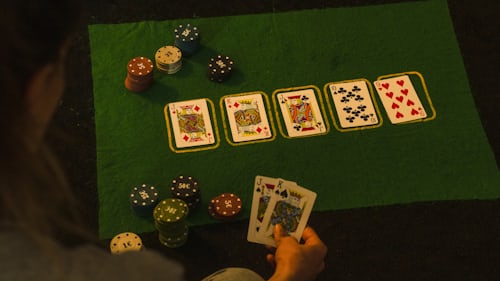
Additionally, the evolution of online gaming has transformed the role of skill in gambling. With access to resources, tutorials, and other players around the globe, individuals can enhance their abilities at an unprecedented rate. Online platforms often feature tools that analyze gameplay and offer strategies, thereby enabling players to refine their skills continuously. As players become more skilled, the impact of luck diminishes, revealing that the development and application of skill can ultimately lead to a more sustainable and rewarding gambling experience.
The Interplay Between Luck and Skill
The interaction between luck and skill is a fascinating aspect of gambling that warrants closer examination. While skill can significantly enhance a gambler’s chances, luck undeniably plays a role in determining the immediate outcomes of any game. In poker, a skilled player might know the odds and employ strategies, yet they cannot control the cards dealt. This interplay creates a dynamic where both elements coexist, influencing the outcomes in unique ways. Players often find themselves navigating this delicate balance, relying on their skills while also accepting that luck can flip the script at any moment.
This dynamic is particularly evident in tournaments or competitive settings where both luck and skill are tested. A player might demonstrate incredible skill throughout the competition yet face unfortunate draws that undermine their efforts. Conversely, an inexperienced player may win due to a fortunate streak, highlighting how luck can sometimes overshadow skill. Such occurrences lead to discussions within the gambling community about the true determinants of success and whether skill should be emphasized over chance or vice versa.
Moreover, this interplay has implications for gambling strategies. Players often devise approaches that account for both elements, understanding that while they can mitigate luck through skill, they cannot eliminate it entirely. Successful gamblers will analyze patterns, adapt to changing circumstances, and remain flexible in their strategies. This adaptability showcases a keen understanding of the game; players recognize that while skill enhances their position, surrendering to luck at times is part of the experience, adding layers of complexity to their gambling endeavors.
The Psychological Aspects of Gambling
The psychological dimensions of gambling significantly affect how players perceive luck and skill. Cognitive biases play a crucial role in this perception; for instance, the gambler’s fallacy leads individuals to believe that past events can influence future outcomes in random games. This fallacy can lead to poor decision-making, as players might overestimate their role in determining success through skill while underestimating the impact of luck. This psychological misjudgment can skew their understanding of their gambling performance.

In addition, the thrill of gambling often results from the emotional highs and lows associated with both luck and skill. Players experience excitement when luck is in their favor and frustration when it is not. These emotional fluctuations can also affect a player’s approach; for instance, a winning streak may lead to overconfidence, diminishing their caution and willingness to analyze potential outcomes critically. This emotional roller coaster illustrates how the psychological aspects of gambling are inextricably linked to the influences of luck and skill.
Moreover, the social context of gambling can also shape perceptions of luck and skill. Group dynamics, peer pressure, and community support can amplify feelings of luck while downplaying the role of skill. In casino settings, the celebratory atmosphere often elevates the perception of luck, with players bonding over shared experiences of wins and losses. This social element adds complexity, as individuals may align their beliefs with those of their peers, further influencing gambling behaviors and strategies.
Conclusion and Further Exploration
Understanding the impact of luck versus skill in gambling invites players to consider their approaches to the games they enjoy. The interplay between these elements underscores the complexity of gambling as both a form of entertainment and a competitive pursuit. While luck can forge the path of immediate outcomes, skill serves as a tool for long-term success. Players who recognize the balance of these factors are better equipped to navigate the gambling landscape responsibly.
As the gambling industry continues to evolve with technology and new game formats, ongoing exploration of skill and luck will remain vital. Players must stay informed, reflect on their strategies, and adapt their gameplay to align with the ever-changing nature of gambling. This adaptability ensures that their experiences remain rewarding and enjoyable.
For those delving deeper into this intriguing subject, there are various resources and communities available that provide insights and strategies. Engaging with like-minded individuals can foster a better understanding of the nuanced relationship between luck and skill, enhancing the overall gambling experience while promoting responsible gaming practices.